

ISLA. A REFUGE FOR BIODIVERSITY FOR CLIMATE CHANGE
The Scientific Core: COBIOCCLIM and the Search for Refuges
The initiative is part of the COBIOCCLIM project (Resilient Ecological Corridors for the Conservation of Biodiversity forClimate Change), led by the Foundation for Climate Research (FIC). Climate change is one of the main challenges of our time, not only because of its direct impact on ecosystems, but also because of the need to generate new frameworks for understanding and collective action in the present that will enable us to tackle it in the medium and long term. Within the framework of this project, this initiative was launched at ISLA in Robledo de Chavela (Madrid), within the Natura 2000 protected natural area (SPA No. 56 “Encinares de los ríos Cofio y Alberche,” SAC since 2017), in collaboration with the Foundation for Climate Research (FIClima). The FIC is leading a scientific research process aimed at assessing the future ecological connectivity of terrestrial, river, and coastal landscapes as a strategy for resilience to climate change. Its lines of work range from the identification of threatened species and ecosystems to the modeling of future climate scenarios, the analysis of habitat fragmentation and connectivity, and the projection of climate-smart refuges. The project developed on Isla involves a series of artistic interventions that accompany the scientific process to raise environmental awareness and broaden social communication. We designed a transdisciplinary process that translates and expands scientific knowledge to new audiences. Art is not presented as a complement, but as a sensitive and communicative methodology capable of:
- Promote social understanding of ecological and climatic processes.
- Encourage an active participation of communities and visitors through collective experiences.
- Generate symbolic and emotional narratives that complement scientific data.
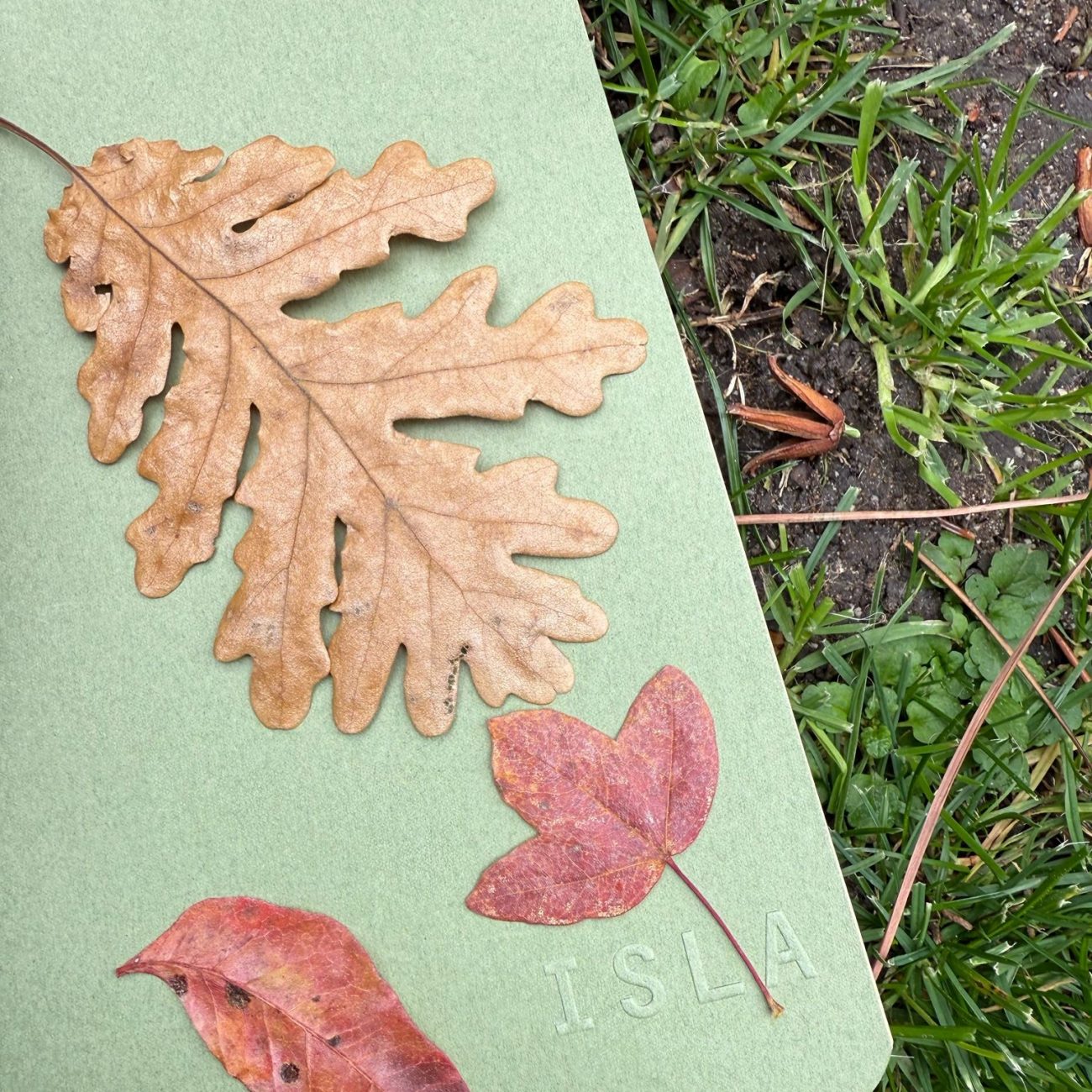
- Activate direct observation processes based on phenology, understood as the science that studies the seasonal rhythms of plants, animals, and insects, inviting people to perceive natural phenomena with all their senses and to recognize their transformations over time, as suggested by Goethean observation methodology.
The project is structured around four seasonal meetings (autumn, winter, spring, and summer), some of which incorporate the participation of a guest artist, accompanying and reflecting the different phases of scientific research. At the same time, there are plans to create an Observatory at ISLA, conceived as a hybrid science and art device: a space for observation, recording, and shared creation that will document the life cycles of plants, animals, and ecosystems throughout the year. In this way, art and science are intertwined in the same process: science provides the rigor of research, while art generates sensitive and collective mediations that allow the findings to be transformed into meaningful experiences, accompanying their dissemination and comprehension. Both dimensions contribute to a common goal: to imagine and design new narratives and strategies for resilience that enable us to face the challenges of climate change.
Emplearemos una Metodología transdisciplinaria: integración de las ciencias naturales, las artes visuales, la pedagogía ambiental y la mediación comunitaria.
Aprendizaje situado: cada actividad se desarrolla en contacto con el entorno físico, incorporando el paisaje como aula viva.
Cocreación: las personas participantes no son espectadoras, sino agentes que transforman el conocimiento científico en experiencia y relato.


Leave a comment